When a storm hits the valley and a mature oak leans over your roof with a fresh crack at the base, the clock starts. Every minute of wind, every inch of rain, increases the chance of real damage. Emergency tree removal is not a luxury service for later. It is urgent work that keeps a bad situation from turning catastrophic.
I have worked alongside crews in Summit County on nights when sirens and chainsaws were the only steady sounds. The calls blend together after a while, but the details stick: the maple that fell across East Market with live wires dancing on its crown, the silver birch that speared a second-story window in Ellet during a January ice event, the hollow ash that had looked fine until a thunderstorm exposed the rot and laid it into a garage in Goodyear Heights. In each case, speed was critical, but speed without discipline would have made things worse. The difference comes from training, gear, and a local understanding of how Akron’s trees fail and how its neighborhoods are built.
What really counts as an emergency
Not every fallen limb is a 2 a.m. Problem. Tree service companies in Akron, the good ones, triage based on risk. Emergencies share a few traits that limit your time to act.
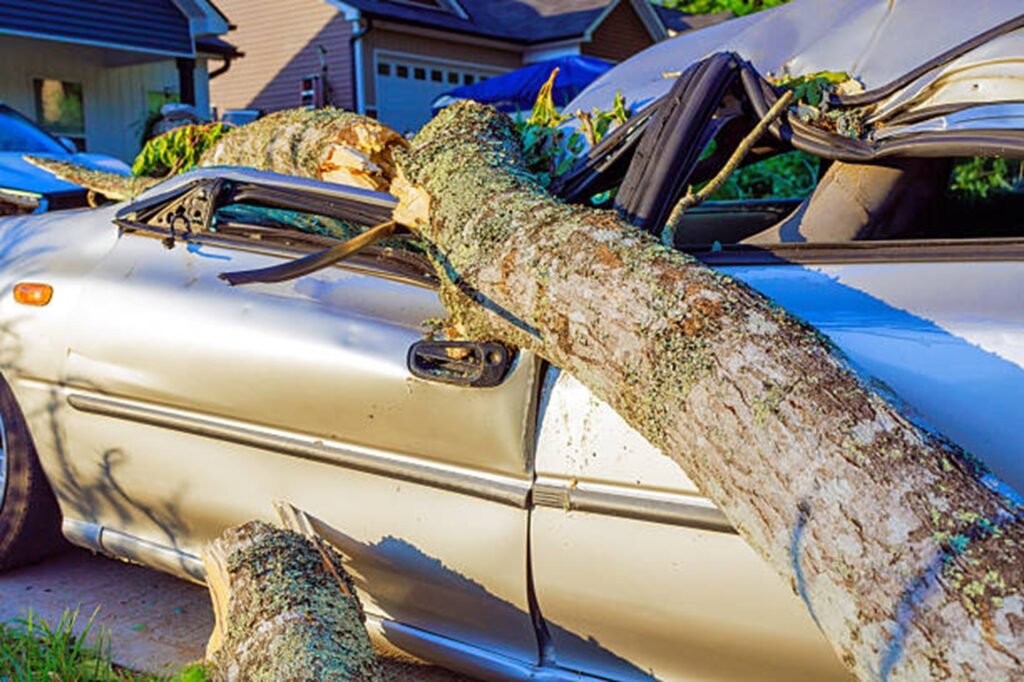
If a tree is on a structure, that is an emergency. Roofs and walls are not designed to carry the point loads a trunk will apply, especially once rain starts and a tree absorbs water weight. If a tree has contacted a utility line, including communications lines that may be hard to tell apart from power lines at night, you need professionals and often utility coordination. If a tree is blocking a primary driveway or a public road and emergency vehicles cannot access a home, that is also urgent. Trees with fresh cracks, lifting root plates, or significant lean after a storm are unstable and can move without warning. Those situations merit a call right away.
Everything else lives on a spectrum. A large limb hung up in a canopy over a playset might not be a midnight job, but it should be flagged and handled as soon as a crew is available. A downed tree lying safely in a yard with no targets nearby waits its turn. Responsible tree removal Akron providers will tell you which bucket you are in.
Why minutes matter in Akron weather
Northeast Ohio’s weather punishes weak structure. We get heavy spring rains that saturate the clay soils east of Route 8. Saturated clay loses shear strength, which is why shallow-rooted species like silver maple and Bradford pear topple after two inches of rain if a thunderstorm adds straight line winds. Summer brings microbursts that flatten narrow corridors of trees, and late fall adds windstorms when leaves still hold on and catch the gusts like sails. Winter loads crowns with wet snow and ice, which turns hairline cracks into failures and subtly tilts trees until the next thaw and refreeze cycle sets the lean.
The longer a damaged tree sits under those stresses, the higher the chance of secondary movement. That is where the additional losses come from. I have seen a limb land gently on a roof at dusk, only to punch through the decking overnight after an inch of rain, because water weight increased and the shingle surface became slick. Timely response can keep a minor roof repair from becoming a full interior water mitigation project.
First calls and fast triage
In an emergency, you do not need a long sales process. You need clear direction and quick arrival. A reliable tree service Akron dispatcher will ask a concise set of questions while a crew is being lined up. They will want to know whether any power lines are involved, whether anyone is injured, what is hit, whether the tree is fully down or partially supported by other trees, whether you smell gas, and whether there is active water entry. If live wires are in play, they will advise calling the utility immediately. In our area that is often FirstEnergy’s Ohio Edison. Utility clearance can be the rate limiting step, and a good company works those channels early to get you in the queue.
Photographs help, but do not put yourself under a hazard to get them. A quick video from a safe angle, roof to ground, is enough to inform what gear is needed. Crews want to know whether they should roll with a crane, a tracked lift, a skid steer with a grapple, or just saws, rigging, and tarps.
What a professional crew does on arrival
Scene assessment starts before the truck fully stops. The lead will scan canopy tie-ins, lean direction, root plate condition, and obstacles like fences and storm damage cleanup HVAC units. They will confirm utility status with their own voltage detectors, not just visual guesses. In the dark they will flood the area with portable light towers so they can see binding in the wood and tensioned fibers that will spring if cut wrong.
The layperson tends to think of tree removal as a straight cut and drop. In emergency work, most of the removal is controlled disassembly. Crews free the structure, protect contents, stabilize, then finish cleaning up when it is light and safe. If a trunk is laying on a ridge line, they often build a crib of blocking to take the load off the roof before cutting any fibers. This spreads weight and avoids a sudden shift that caves decking. If a limb penetrates a room, they might cut it back to a stub outside, strap the inside portion to prevent splintering, and coordinate with a tarping crew to button up the opening.
On crane jobs, the operator and climber plan lift points that keep the load balanced. They pad gutters, swing away from service lines, and coordinate hand signals or radio calls so everyone moves in unison. These are not improvisations. The good crews in Akron have done hundreds of these lifts, and you can see it in the pace. No wasted steps, no shouting, careful staging of brush and logs for quick haul out.
The equipment that makes speed safe
Emergency tree removal favors precision tools. A tracked spider lift reaches a third floor window well without tearing a lawn. Static and dynamic lowering lines, friction devices, and rigging blocks let climbers take limbs in small, predictable pieces and swing them into clear drop zones. Ground crews use compact loaders with grapples to move heavy rounds without throwing their backs out at 3 a.m., which keeps the whole operation efficient. Saw choices matter too. A top handle for work aloft, a midsize bar for bucking limbs, a big saw with a 28 inch bar to make clean, true face cuts when they need it.
You may also see temporary structural supports, plywood sheathing to create paths across soft ground, debris nets to catch shrapnel from rotten wood, and a stack of tarps and 2x4s for fast roof protection. The point is not flash. It is to reduce variables so that even under pressure the work unfolds predictably.
Utilities, permits, and who does what
Tree workers are not lineworkers. When a tree contacts a primary power line, the utility has to de-energize or physically clear it before removal proceeds. Tree service crews coordinate, but they do not control that schedule. On secondary drops to a house, certain qualified crews with utility training can work under utility authorization, but they will not touch it without that clearance. Expect them to err on the side of safety. You want them to.
Inside city limits, work on street trees in the tree lawn can require approval from Akron’s Urban Forestry division. In a life safety emergency, crews often proceed to remove hazards and then document after, but reputable companies seek alignment with the city as soon as practical. Private property trees typically do not need permits for removal, especially when they are storm compromised, but each case has nuance. Crews who work Akron regularly know the drill and keep the paperwork clean.
Gas lines and meters deserve special caution. If a trunk is resting on a meter set or an underground line location is unclear for stump work, pause. Crews will request utility locates before grinding if there is any doubt. The wait for locates is measured in days, not hours, so temporary cuts and safe staging may precede stump grinding.
What you can do before the truck arrives
You do not need to solve the problem alone. A few simple steps make a measurable difference while help is on the way.
- Keep all people and pets well clear of the tree and any sagging wires, and do not enter rooms directly under stress points. Call the utility if lines are down or service is pulled from your house, then call your tree service. Take quick photos or a short video from safe positions for your insurer and the crew, then pocket the phone and watch for shifting wood. If water is entering, place buckets and cover valuables you can safely reach, but do not go into an attic under a loaded trunk. Clear a path for equipment by moving cars from the driveway and unlocking gates.
Inside the numbers, what emergency work costs
Prices vary with access, size, and risk. Emergency tree removal costs more than scheduled work because it ties up crews at odd hours, demands premium gear, and carries greater liability. For Akron homeowners, a simple emergency limb off a single-story roof with no utilities typically lands in the 700 to 1,800 dollar range. A full trunk across a roof with controlled rigging can run 1,500 to 4,000 dollars depending on size and complexity. Add a crane, and the total can climb to 3,500 to 8,000 dollars or more, largely driven by crane size, setup time, and street closure needs. Tarping is often an additional 300 to 900 dollars depending on roof pitch and weather.
Insurance covers many storm events, particularly when a tree hits a covered structure. Your deductible applies, and coverage for debris removal may be capped as a percentage of dwelling coverage, often 5 to 10 percent for the structure, lower for debris not impacting covered property. If a tree falls without hitting a structure, coverage is less predictable. Document everything, keep receipts, and ask your provider to bill your insurer directly when possible.
Species and failure patterns we see around Akron
Not all trees fail the same way. Knowing the tendency helps crews predict where fibers will bind and spring.
Ash, devastated by emerald ash borer over the last decade, often looks deceptively sound at a glance. The wood becomes brittle as it dies. In storms, dead ash can break high in the crown and rain down spears of limbs. It is dangerous to climb, so lifts and cranes are favored.
Silver maple grows fast, with long, leveraged limbs and included bark at unions. Storms exploit those weak connections. Expect large lateral failures that land across roofs or fences.
Bradford pear, a common ornamental, has notorious branch angles and weak structure. Ice brings them apart at mid height. They make a mess across drives and sidewalks.
Norway maple and pin oak are common street trees. Their root systems in compacted tree lawns can be shallow. After heavy rain and wind, watch for root plate heave that lifts sidewalks. When that happens, the whole mass can roll.
Eastern hemlock, when infested with woolly adelgid, loses vigor. Snow load on thinned crowns causes cascading limb failures that look like broom breaks.
Local crews read those cues. They pick anchor points accordingly and anticipate barber chair risks in species prone to split.
The quiet hero of the aftermath, stump work and surface repair
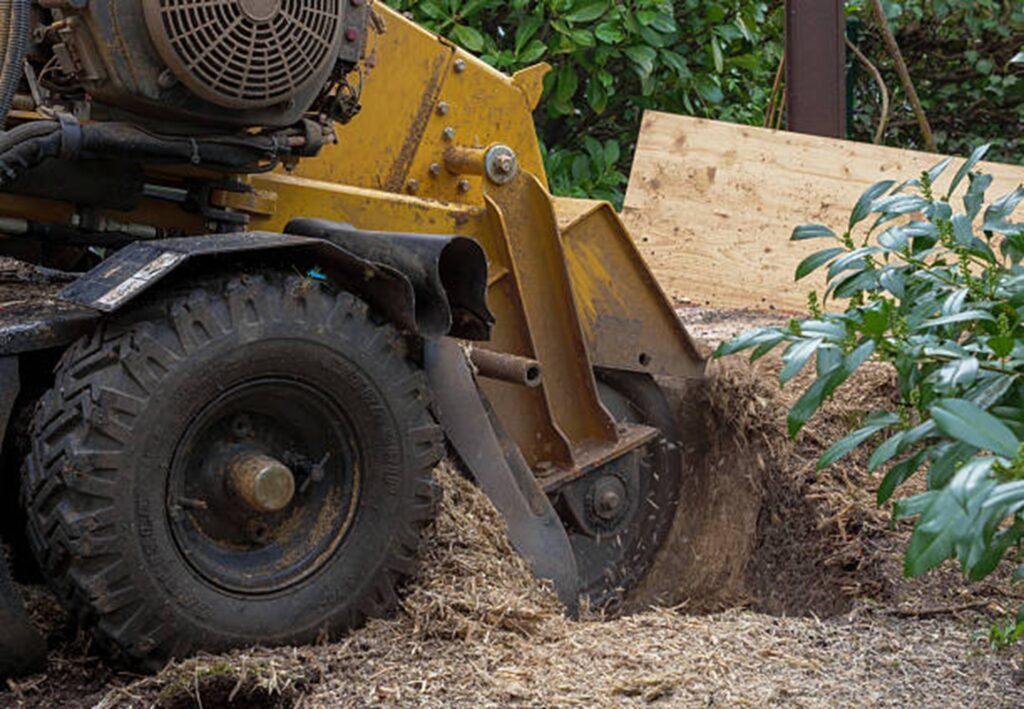
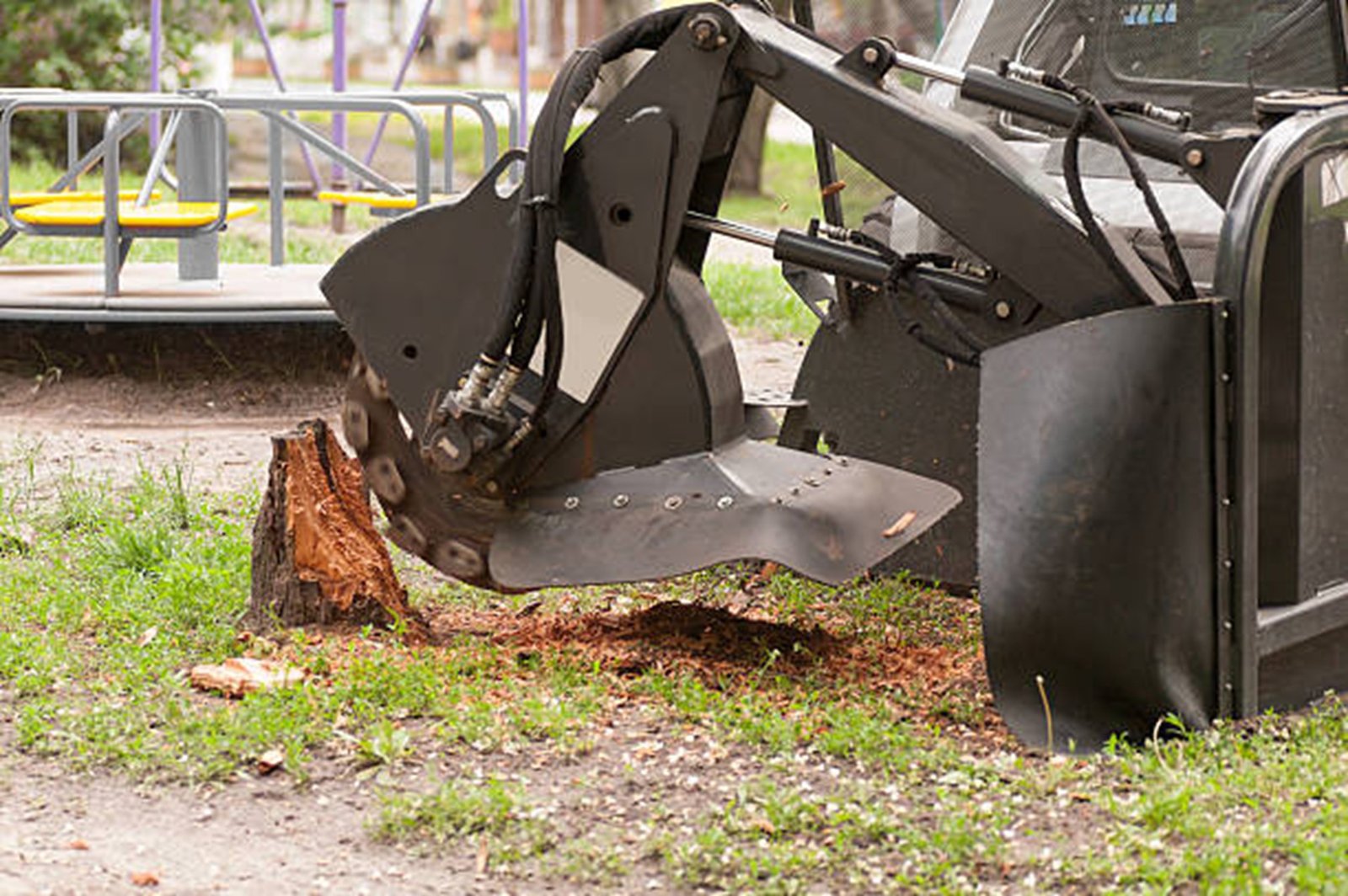
Once the danger is gone and the roof is patched, the job is not quite finished. Stumps left tall are hazards and eyesores, but rushing the grind can backfire. In saturated soils, grinding right away creates ruts and drags mud through a yard. If utilities run nearby, locates come first. Most tree removal Akron providers schedule stump grinding within a week or two, faster when weather cooperates. Typical residential stumps in the 20 to 30 inch diameter range cost 150 to 350 dollars to grind flush, more if roots spread into hardscape. Many companies bundle stump grinding with the job. If you search for services, you may see the phrase stump griding out there, a misspelling that still points you to the same crews. The point is to take the stump low, restore grade with clean topsoil, and seed or sod so the site heals.
Storm damage cleanup continues beyond the stump. Raking small debris, sweeping shingles, resetting fencing, even minor grading to repair tire impressions, these are little tasks that make a property feel whole again. Ask your provider how they handle finish work. The better outfits assign a detail pass after daylight to catch what the night crew could not see.
How quality shows under pressure
In daylight, with time to spare, lots of crews can look competent. Emergency work reveals who really knows their craft. You will see it in how the lead talks to the team, in the crisp knots on a rigging line, in the decision to refuse a cut that feels wrong. Watch whether they pad edges before setting a brace, whether they stage their brush for efficient chipper feeding, whether the crane operator keeps picks within rated charts and adjusts for radius rather than winging it.
I have watched a veteran climber pause mid cut on a chilly March night on Merriman because the trunk felt hollow under his spurs. He backed out, swapped to a longer bar, and plunged to probe the cavity. Ten seconds of patience saved a barber chair that could have tossed him. That is the margin you are buying when you hire a professional.
Choosing a partner before the storm
You do not shop for a tow truck while skidding. The same applies here. Build a relationship before you need it. Look for a company with a physical presence in or near Akron, not just a call center. Ask about 24 hour dispatch, crane access, and whether they have ISA Certified Arborists on staff. Certifications are not the whole story, but they signal training and ethics. Verify insurance, both general liability and workers’ compensation. In Ohio, ask for a certificate, not just a promise. The cheap, cash-only option may vanish when a claim appears.
If you value fast response, ask plainly about average response times in storms. In big events, honest companies will give ranges and sometimes a queue number rather than promise the moon. That transparency beats a pretty speech followed by silence.
What a typical emergency removal feels like for a homeowner
Picture a July thunderstorm that drives a large limb of a mature pin oak onto a two story colonial in Firestone Park. The limb scrapes shingles and settles against the eaves. Power stays on. You hear creaks with each gust. You call a trusted tree service you have used before for pruning. The dispatcher takes your details, tells you to avoid rooms under the load, and gives you a 60 to 90 minute window.
The truck arrives in under an hour. The lead does a fast assessment, sets portable lights, and decides to rig and lower sections of the limb rather than risk a slide off the eave. A ground crew sets padded blocking on the roof line via a ladder, then the climber ties into a healthy upper union. Over the next ninety minutes, pieces come down in a neat rhythm, swung to a clear lawn area where a loader stacks them. The crew leader radios a tarping partner who arrives as the last stub is cut. They lay a breathable tarp with furring strips to secure it without more nail holes than necessary. Before midnight, the yard is tidy enough to walk safely, the roof is protected, and a restoration company is scheduled for the morning. You sign a work authorization, snap a few photos for your claim, and sleep.
Everything about that night rests on method. No grand gestures, no risky shortcuts, just patient, practiced movement.
Preventive steps that take pressure off the next storm
Emergencies cannot be eliminated, but you can reduce their odds and severity. Regular inspection by an arborist catches co-dominant stems with included bark before wind does. Pruning improves crown structure so limbs do not lever against each other. Cables and braces on key unions reduce the chance of sudden splits in heavy species like sugar maple. Selective removal of failing trees, especially dead ash and top-heavy Bradford pears, is cheaper on a blue-sky day than on a stormy night.
Drainage matters too. If downspouts dump water near trunks, saturated soil weakens root hold. Extending drains and relieving compacted soil around critical trees adds stability. If you are planting, choose species suited to our soils and weather. Swamp white oak tolerates wet better than pin oak in compacted clay. Black gum flexes in wind and holds form. Right tree, right place, fewer emergencies.
Where storm damage cleanup fits in the larger service
Emergency response solves the acute problem. Storm damage cleanup brings a property back to normal. That includes removing hangers in nearby trees that did not fall this time but may later, chipping brush, cutting firewood lengths if you want them, hauling logs if you do not, and sweeping hard surfaces. Good crews check neighboring trees for new leans or cracked unions and note them for follow up. This is also the moment to talk through long term maintenance. If a canopy now looks lopsided after a failure, a plan for structural pruning over the next couple of seasons will restore balance.
Local companies that handle both emergencies and routine tree service create continuity. They were there on the hard night, and they can guide the slower work after. If you search phrases like tree removal, tree removal Akron, or tree service Akron, focus less on the ad copy and more on proof of life in the neighborhood. Ask your neighbors who actually showed up fast in last year’s windstorm. Akron remembers.
A short, realistic playbook for homeowners
The moments after a tree hits your home are stressful. It helps to have a mental script ready.
- Get people and pets to a safe part of the house, away from the load and potential water entry, and avoid touching anything that might be energized. Call the utility if lines are involved, then call your chosen tree service and your insurer while you have a clear head. Do not climb on the roof, do not cut anything yourself, and do not let well meaning neighbors with chainsaws take a whack at it. Gather policy information, take a few safe photos, move vehicles if asked to clear access, and keep a porch light on for crews. Expect staged work, first to remove danger and protect the home, then to handle stump grinding and finish cleanup when it is safe and bright.
The human side of a 24 hour service
There is a lot of iron in this work, but it is still human. Crews leave their families at weird hours, work soaked and cold, and take pride in handing a homeowner a safer house than they found minutes before. When you see a team stay an extra half hour to sweep a kitchen floor under a broken skylight because they can, that says something about who you hired. Those are the people you want on speed dial when minutes matter.
The next storm will come. Akron’s trees will move. If you line up a capable partner now, the burst of adrenaline that follows a heavy thud on the roof will be shorter. You will make two or three calls, a truck will arrive, and a measured process will take over. That is what professional emergency tree removal delivers, and why, in our part of Ohio, it is a service worth knowing before you need it.
Address: 159 S Main St Ste 165, Akron, OH 44308
Phone: (234) 413-1559
Website: https://akrontreecare.com/
Hours:
Monday: Open 24 hours
Tuesday: Open 24 hours
Wednesday: Open 24 hours
Thursday: Open 24 hours
Friday: Open 24 hours
Saturday: Open 24 hours
Sunday: Open 24 hours
Open-location code: 3FJJ+8H Akron, Ohio Map/listing URL: https://www.google.com/maps/place/Red+Wolf+Tree+Service/@41.0808118,-81.5211807,16z/data=!3m1!4b1!4m6!3m5!1s0x8830d7006191b63b:0xa505228cac054deb!8m2!3d41.0808078!4d-81.5186058!16s%2Fg%2F11yydy8lbt
Embed:
https://akrontreecare.com/
Red Wolf Tree Service provides tree removal, tree trimming, stump grinding, storm cleanup, and emergency tree service for property owners in Akron, Ohio.
The company works with homeowners and commercial property managers who need safe, dependable tree care and clear communication from start to finish.
Its stated service area centers on Akron, with local familiarity that helps the team respond to residential lots, wooded properties, and urgent storm-related issues throughout the area.
Customers looking for help with hazardous limbs, unwanted trees, storm debris, or overgrown branches can contact Red Wolf Tree Service at (234) 413-1559 or visit https://akrontreecare.com/.
The business presents itself as a licensed and insured local tree service provider focused on safe workmanship and reliable results.
For visitors comparing local providers, the business also has a public map listing tied to its Akron address on South Main Street.
Whether the job involves routine trimming or urgent cleanup after severe weather, the company’s website highlights practical tree care designed to protect homes, yards, and access areas.
Red Wolf Tree Service is positioned as an Akron-based option for people who want year-round tree care support from a local crew serving the surrounding community.
Popular Questions About Red Wolf Tree Service
What services does Red Wolf Tree Service offer?
Red Wolf Tree Service lists tree removal, tree trimming and pruning, stump grinding and removal, emergency tree services, and storm damage cleanup on its website.
Where is Red Wolf Tree Service located?
The business lists its address as 159 S Main St Ste 165, Akron, OH 44308.
What areas does Red Wolf Tree Service serve?
The website highlights Akron, Ohio as its service area and describes service for local residential and commercial properties in and around Akron.
Is Red Wolf Tree Service available for emergency work?
Yes. The company’s website specifically lists emergency tree services and storm damage cleanup among its core offerings.
Does Red Wolf Tree Service handle stump removal?
Yes. The website includes stump grinding and removal as one of its main tree care services.
Are the business hours listed publicly?
Yes. The homepage shows the business as open 24/7.
How can I contact Red Wolf Tree Service?
Call (234) 413-1559, visit https://akrontreecare.com/.
Landmarks Near Akron, OH
Lock 3 Park – A well-known downtown Akron gathering place on South Main Street with year-round events and easy visibility for nearby service calls. If your property is near Lock 3, Red Wolf Tree Service can be reached at (234) 413-1559 for local tree care support.
Ohio & Erie Canal Towpath Trail (Downtown Akron access) – The Towpath connects downtown Akron to regional trails and green space, making it a useful reference point for nearby neighborhoods and properties. For tree service near the Towpath corridor, visit https://akrontreecare.com/.
Akron Civic Theatre – This major downtown venue sits next to Lock 3 and helps identify the central Akron area the business serves. If your property is nearby, you can contact Red Wolf Tree Service for trimming, removal, or storm cleanup.
Akron Art Museum – Located at 1 South High Street in downtown Akron, the museum is another practical reference point for nearby residential and commercial service needs. Call ahead if you need tree work near the downtown core.
Stan Hywet Hall & Gardens – One of Akron’s best-known historic destinations, located on North Portage Path. Properties in surrounding neighborhoods can use this landmark when describing service locations.
7 17 Credit Union Park – The Akron RubberDucks’ downtown ballpark at 300 South Main Street is a strong directional landmark for nearby homes and businesses needing tree care. Use it as a reference point when requesting service.
Highland Square – This West Market Street district is a recognizable Akron destination with shops, restaurants, and neighborhood traffic. It is a practical area marker for customers scheduling tree service on Akron’s west side.